




»It is hard to imagine a person who would feel comfortable in blindly agreeing with a
system’s decision without a deep
understanding of the decision-making rationale.―
Detailed explanations of AI decisions seem necessary to provide insight into the rationale the AI uses to draw a conclusion.«
»Only when users and stakeholders understand how and what predictions AI systems arrive at these systems can be used responsibly to make important decisions.«
Welcome!
This site is dedicated to my research on explainable artificial intelligence, driven by the vision that machine learning models should not only make decisions or provide probabilities, but also provide human-understandable explanations for how they reach their conclusions.
Accuracy
Machine learning models must be accurate to be able to provide reasonable explanations.
We validate all models in independent datasets to test their performance.
Focus
Machine learning models need to focus on key features that are causally related to the target and often known a priori.
Relevance maps help us to assess the level of noise and to detect bias in the training data.
Explanation
Machine learning models should provide an explanation describing the decision-making process in an intuitive way.
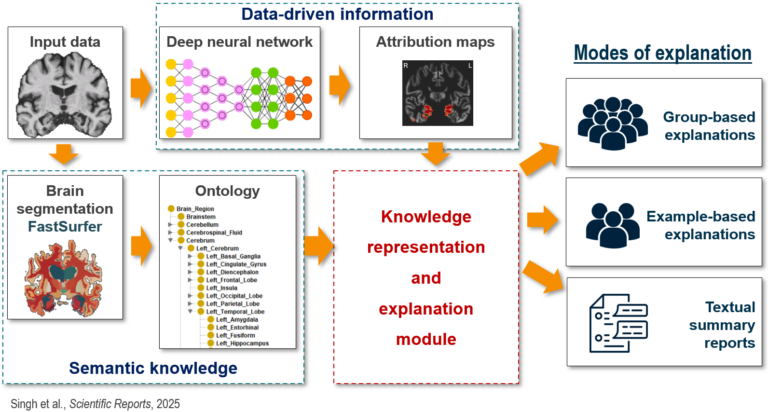
Our goal is to develop a system architecture that can extract relevant information and dynamically synthesize descriptive explanations.
Martin Dyrba, PhD
I am a researcher in artificial intelligence and translational research in neuroimaging. My research interests are machine learning methods to detect neurodegenerative diseases such as Alzheimer’s.
At present, I am research associate at the German Center for Neurodegenerative Diseases (DZNE), Rostock. Here, I work on novel approaches to improve the comprehensibility and interpretability of machine learning models.
Biosketch & activities
In 2011, I graduated from the University of Rostock. In 2016, I obtained my PhD in medical informatics and, in 2024, I completed my habilitation (venia legendi). At the end of 2015, I was awarded the Steinberg-Krupp Alzheimer’s Research Prize for my work on machine learning models to detect Alzheimer’s disease based on multicenter neuroimaging data. I have been working as reviewer for several grant agencies and international journals. I was guest editor for the Frontiers Research Topic ‘Deep Learning in Aging Neuroscience’ and ‘AI and Machine Learning for Cognitive Decline: From Benchmarks to Clinical Practice’.
In 2020, I developed a convolutional neural network architecture to detect Alzheimer’s disease in MRI scans. The diagnostic performance was validated in three independent cohorts.
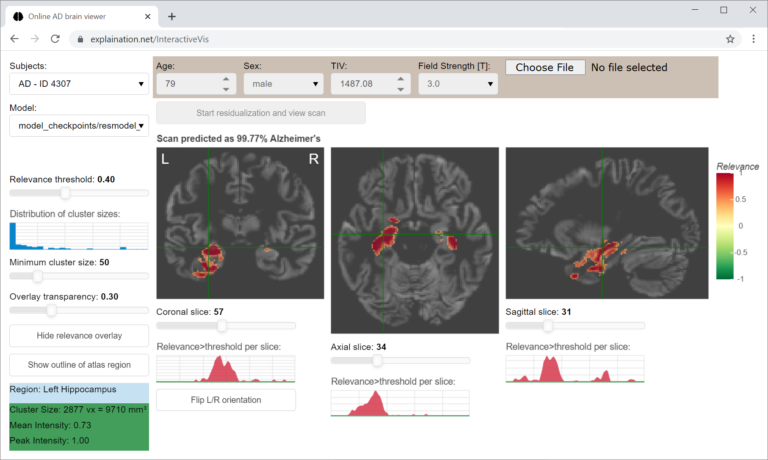
From the neural networks, we can derive relevance maps that indicate the brain areas with high contribution to the diagnostic decision. Medial temporal lobe atrophy was shown as most relevant area which matched our expectations, as hippocampus volume is actually the best established neuroimaging marker for Alzheimer’s disease.
We are working on a system architecture that can extract relevant information and dynamically generate descriptive explanations of varying granularity on demand.
“AI will drastically change healthcare. We are working on making AI systems more reliable, transparent, and comprehensible.”
Team members
Current members

This could be You
We are constantly looking for talented student assistants to support our team. Please contact us.

TBD
PostDoc, collaboration project:
AI-Driven Alzheimer’s Pathology Prediction from Clinically-Ready Brain Imaging

Majid Ramedani, PhD
PostDoc, ERDF project:
Development and Validation of a Radiology AI Assistant for Dementia Detection (KI-DERA)

Jaya Chandra Terli, MSc
PhD student, ERDF project:
Behaviour Monitoring and Support of Older Adults (BehAIve) – System Explainability
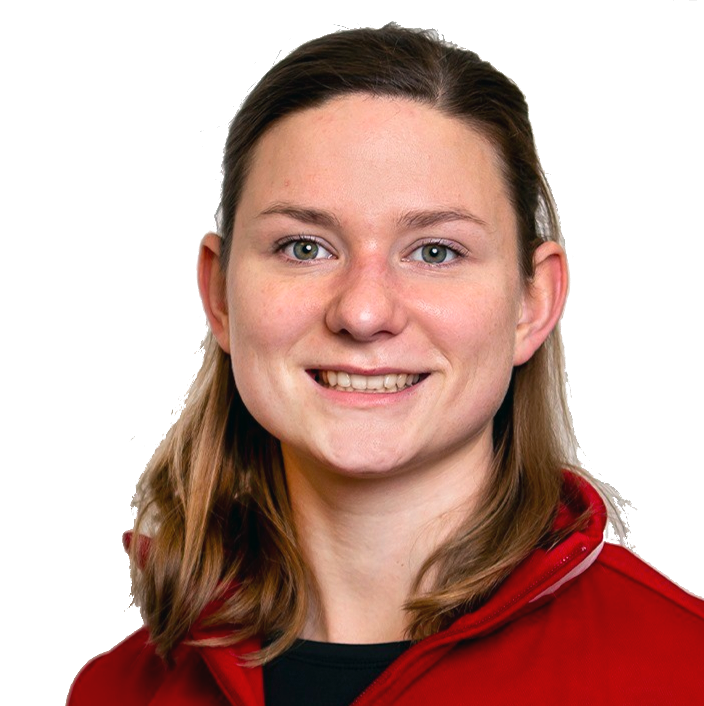
Inga Palm, MSc
PhD student, ERDF project:
Behaviour Monitoring and Support of Older Adults (BehAIve) – Participatory Research

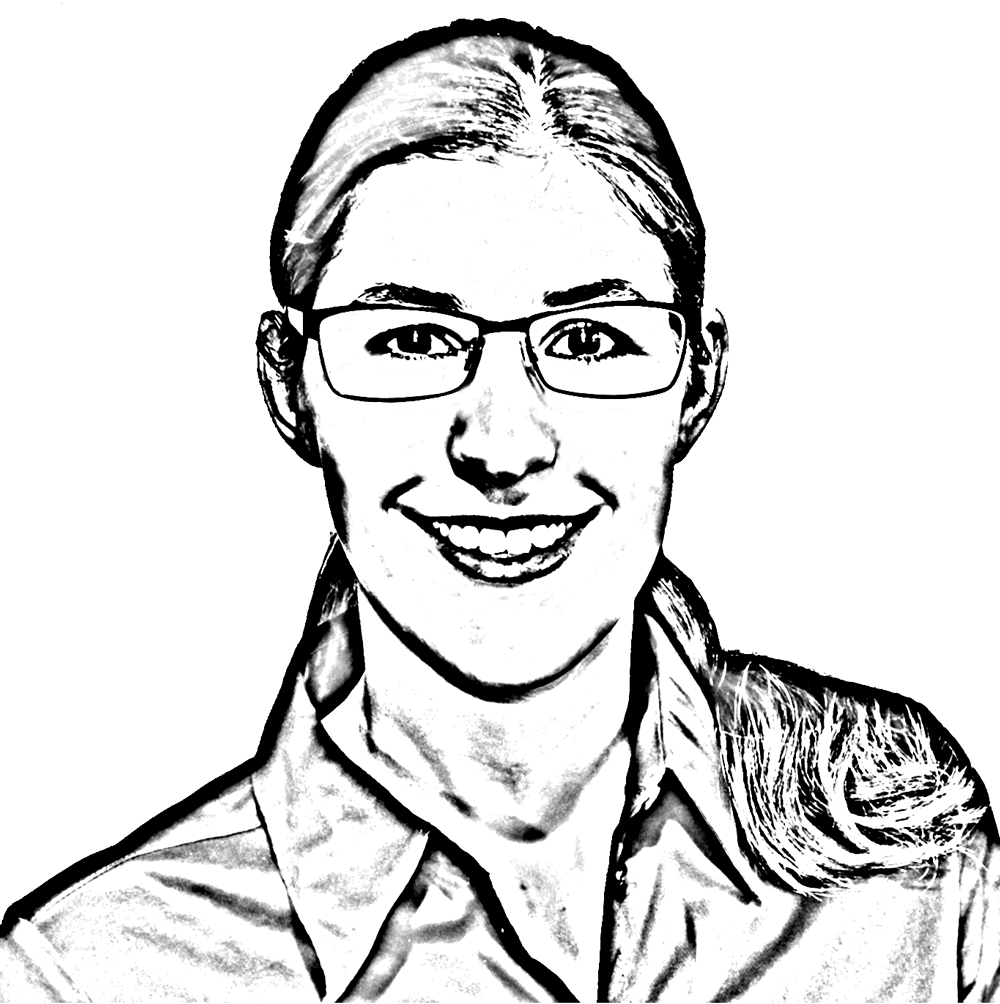
Devesh Singh, MSc
Research associate, since 2025
BMFTR Medical Informatics Initiative project:
Open Medical Inference
▷ Alumni - Former members

Doreen Görß, MD
Neurologist and Postdoc, 2023-2025,
EU Interreg BSR project:
Clinical AI-based Diagnostics (CAIDX)
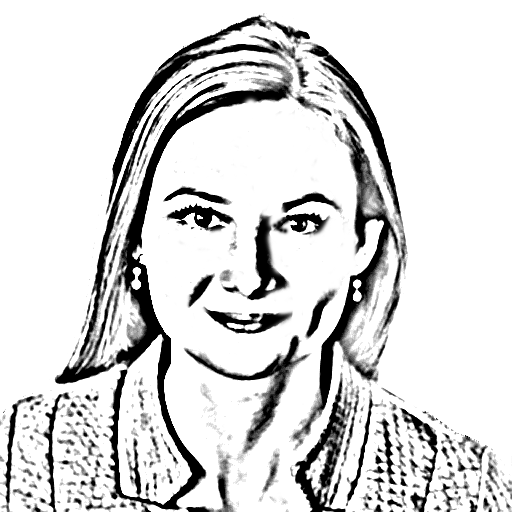
Moritz Hanzig, MSc
Research associate, 2024, BMFTR Medical Informatics Initiative project:
Open Medical Inference

Olga Klein, PhD
Psychologist and Postdoc, 2024-2025,
BMFTR project:
Theoretical, Ethical and Social Implications of AI-based Computational Psychiatry (TESIComp)

Vadym Gryshchuk
PhD candidate, 2021, DFG project: EXPLAINATION, Detection of dementia using contrastive self-supervised learning
Sarah Wenzel
Student assistant, 2021-2023,
Literatur review and qualitative analysis

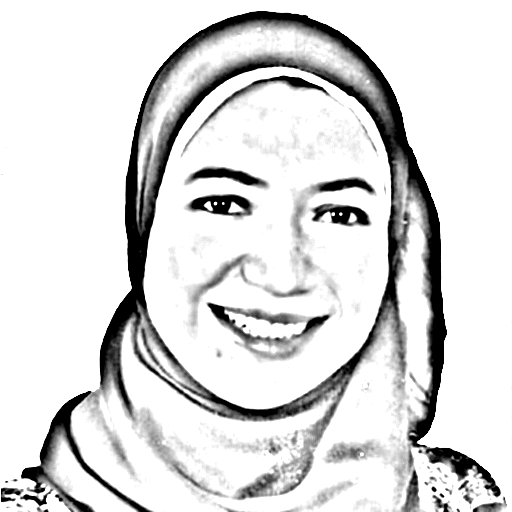
Eman N. Marzban
Guest researcher from Cairo, Egypt, 2018,
DAAD-funded: Visualization of attribution methods for convolutional neural networks
Contact
Contact
Martin Dyrba
Phone
+49.381.494.9482
martin.dyrba (at) dzne.de
Location
Rostock, Germany
Image sources
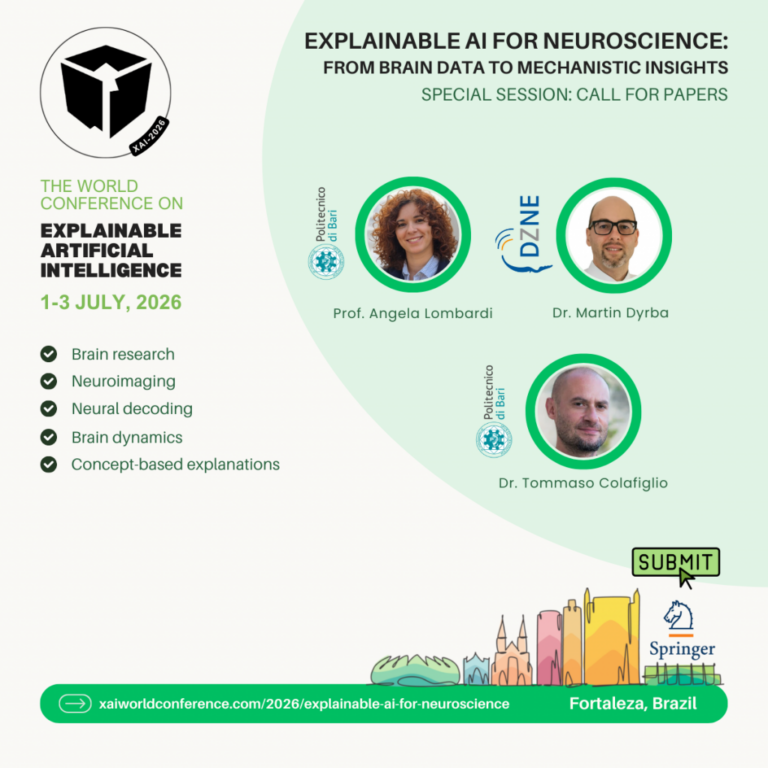
- XAI-2026-Explainable-AI-for-Neuroscience-1-1024×1024: https://xaiworldconference.com/2026/explainable-ai-for-neuroscience/ | All Rights Reserved